new

Get trending papers in your email inbox!

Subscribe

Daily Papers

byAK and the research community

Jun 11

Cost-Efficient Estimation of General Abilities Across Benchmarks

Thousands of diverse benchmarks have been developed to measure the quality of large language models (LLMs). Yet prior work has demonstrated that LLM performance is often sufficiently explained by a small set of latent factors, or abilities. This suggests the potential for more efficient and principled benchmarking, but it remains difficult to compare the quality of different methods. Motivated by predictive validity, we argue that the quality of a benchmarking framework should be grounded in how efficiently it enables the prediction of model performance on unseen tasks. To analyze this objective, we collect the "Wide-scale Item Level Dataset" (WILD), a dataset of item-model response pairs, comprising evaluations of 65 models on 109,564 unique items spanning 163 tasks drawn from 27 datasets. This dataset enables the first analysis of how different techniques can predict a model's performance on a large, diverse collection of unseen tasks under different budget constraints. We demonstrate that combining a modified multidimensional item response theory (IRT) model with adaptive item selection driven by optimal experimental design can predict performance on 112 held-out benchmark tasks with a mean absolute error (MAE) of less than 7%, and can do so after observing only 16 items. We further demonstrate that incorporating cost-aware discount factors into our selection criteria can reduce the total tokens needed to reach 7% MAE from 141,000 tokens to only 22,000, an 85% reduction in evaluation cost.

  • 5 authors
·
Mar 31

Contrastive Learning for Cold Start Recommendation with Adaptive Feature Fusion

This paper proposes a cold start recommendation model that integrates contrastive learning, aiming to solve the problem of performance degradation of recommendation systems in cold start scenarios due to the scarcity of user and item interaction data. The model dynamically adjusts the weights of key features through an adaptive feature selection module and effectively integrates user attributes, item meta-information, and contextual features by combining a multimodal feature fusion mechanism, thereby improving recommendation performance. In addition, the model introduces a contrastive learning mechanism to enhance the robustness and generalization ability of feature representation by constructing positive and negative sample pairs. Experiments are conducted on the MovieLens-1M dataset. The results show that the proposed model significantly outperforms mainstream recommendation methods such as Matrix Factorization, LightGBM, DeepFM, and AutoRec in terms of HR, NDCG, MRR, and Recall, especially in cold start scenarios. Ablation experiments further verify the key role of each module in improving model performance, and the learning rate sensitivity analysis shows that a moderate learning rate is crucial to the optimization effect of the model. This study not only provides a new solution to the cold start problem but also provides an important reference for the application of contrastive learning in recommendation systems. In the future, this model is expected to play a role in a wider range of scenarios, such as real-time recommendation and cross-domain recommendation.

  • 5 authors
·
Feb 5, 2025

Learning to Actively Learn: A Robust Approach

This work proposes a procedure for designing algorithms for specific adaptive data collection tasks like active learning and pure-exploration multi-armed bandits. Unlike the design of traditional adaptive algorithms that rely on concentration of measure and careful analysis to justify the correctness and sample complexity of the procedure, our adaptive algorithm is learned via adversarial training over equivalence classes of problems derived from information theoretic lower bounds. In particular, a single adaptive learning algorithm is learned that competes with the best adaptive algorithm learned for each equivalence class. Our procedure takes as input just the available queries, set of hypotheses, loss function, and total query budget. This is in contrast to existing meta-learning work that learns an adaptive algorithm relative to an explicit, user-defined subset or prior distribution over problems which can be challenging to define and be mismatched to the instance encountered at test time. This work is particularly focused on the regime when the total query budget is very small, such as a few dozen, which is much smaller than those budgets typically considered by theoretically derived algorithms. We perform synthetic experiments to justify the stability and effectiveness of the training procedure, and then evaluate the method on tasks derived from real data including a noisy 20 Questions game and a joke recommendation task.

  • 3 authors
·
Oct 29, 2020

Adapt-infty: Scalable Lifelong Multimodal Instruction Tuning via Dynamic Data Selection

Visual instruction datasets from various distributors are released at different times and often contain a significant number of semantically redundant text-image pairs, depending on their task compositions (i.e., skills) or reference sources. This redundancy greatly limits the efficient deployment of lifelong adaptable multimodal large language models, hindering their ability to refine existing skills and acquire new competencies over time. To address this, we reframe the problem of Lifelong Instruction Tuning (LiIT) via data selection, where the model automatically selects beneficial samples to learn from earlier and new datasets based on the current state of acquired knowledge in the model. Based on empirical analyses that show that selecting the best data subset using a static importance measure is often ineffective for multi-task datasets with evolving distributions, we propose Adapt-infty, a new multi-way and adaptive data selection approach that dynamically balances sample efficiency and effectiveness during LiIT. We construct pseudo-skill clusters by grouping gradient-based sample vectors. Next, we select the best-performing data selector for each skill cluster from a pool of selector experts, including our newly proposed scoring function, Image Grounding score. This data selector samples a subset of the most important samples from each skill cluster for training. To prevent the continuous increase in the size of the dataset pool during LiIT, which would result in excessive computation, we further introduce a cluster-wise permanent data pruning strategy to remove the most semantically redundant samples from each cluster, keeping computational requirements manageable. Training with samples selected by Adapt-infty alleviates catastrophic forgetting, especially for rare tasks, and promotes forward transfer across the continuum using only a fraction of the original datasets.

  • 4 authors
·
Oct 14, 2024

Retriever-and-Memory: Towards Adaptive Note-Enhanced Retrieval-Augmented Generation

Retrieval-Augmented Generation (RAG) mitigates issues of the factual errors and hallucinated outputs generated by Large Language Models (LLMs) in open-domain question-answering tasks (OpenQA) via introducing external knowledge. For complex QA, however, existing RAG methods use LLMs to actively predict retrieval timing and directly use the retrieved information for generation, regardless of whether the retrieval timing accurately reflects the actual information needs, or sufficiently considers prior retrieved knowledge, which may result in insufficient information gathering and interaction, yielding low-quality answers. To address these, we propose a generic RAG approach called Adaptive Note-Enhanced RAG (Adaptive-Note) for complex QA tasks, which includes the iterative information collector, adaptive memory reviewer, and task-oriented generator, while following a new Retriever-and-Memory paradigm. Specifically, Adaptive-Note introduces an overarching view of knowledge growth, iteratively gathering new information in the form of notes and updating them into the existing optimal knowledge structure, enhancing high-quality knowledge interactions. In addition, we employ an adaptive, note-based stop-exploration strategy to decide "what to retrieve and when to stop" to encourage sufficient knowledge exploration. We conduct extensive experiments on five complex QA datasets, and the results demonstrate the superiority and effectiveness of our method and its components. The code and data are at https://github.com/thunlp/Adaptive-Note.

  • 12 authors
·
Oct 11, 2024

Reliable and Efficient Amortized Model-based Evaluation

Comprehensive evaluations of language models (LM) during both development and deployment phases are necessary because these models possess numerous capabilities (e.g., mathematical reasoning, legal support, or medical diagnostic) as well as safety risks (e.g., racial bias, toxicity, or misinformation). The average score across a wide range of benchmarks provides a signal that helps guide the use of these LMs in practice. Currently, holistic evaluations are costly due to the large volume of benchmark questions, making frequent evaluations impractical. A popular attempt to lower the cost is to compute the average score on a subset of the benchmark. This approach, unfortunately, often renders an unreliable measure of LM performance because the average score is often confounded with the difficulty of the questions in the benchmark subset. Item response theory (IRT) was designed to address this challenge, providing a reliable measurement by careful controlling for question difficulty. Unfortunately, question difficulty is expensive to estimate. Facing this challenge, we train a model that predicts question difficulty from its content, enabling a reliable measurement at a fraction of the cost. In addition, we leverage this difficulty predictor to further improve the evaluation efficiency through training a question generator given a difficulty level. This question generator is essential in adaptive testing, where, instead of using a random subset of the benchmark questions, informative questions are adaptively chosen based on the current estimation of LLM performance. Experiments on 22 common natural language benchmarks and 172 LMs show that this approach is more reliable and efficient compared to current common practice.

  • 5 authors
·
Mar 17, 2025

Scales++: Compute Efficient Evaluation Subset Selection with Cognitive Scales Embeddings

The prohibitive cost of evaluating large language models (LLMs) on comprehensive benchmarks necessitates the creation of small yet representative data subsets (i.e., tiny benchmarks) that enable efficient assessment while retaining predictive fidelity. Current methods for this task operate under a model-centric paradigm, selecting benchmarking items based on the collective performance of existing models. Such approaches are limited by large upfront costs, an inability to immediately handle new benchmarks (`cold-start'), and the fragile assumption that future models will share the failure patterns of their predecessors. In this work, we challenge this paradigm and propose a item-centric approach to benchmark subset selection, arguing that selection should be based on the intrinsic properties of the task items themselves, rather than on model-specific failure patterns. We instantiate this item-centric efficient benchmarking approach via a novel method, Scales++, where data selection is based on the cognitive demands of the benchmark samples. Empirically, we show Scales++ reduces the upfront selection cost by over 18x while achieving competitive predictive fidelity. On the Open LLM Leaderboard, using just a 0.5\% data subset, we predict full benchmark scores with a 2.9% mean absolute error. We demonstrate that this item-centric approach enables more efficient model evaluation without significant fidelity degradation, while also providing better cold-start performance and more interpretable benchmarking.

  • 4 authors
·
Oct 30, 2025

Enabling Flexible Multi-LLM Integration for Scalable Knowledge Aggregation

Large language models (LLMs) have shown remarkable promise but remain challenging to continually improve through traditional finetuning, particularly when integrating capabilities from other specialized LLMs. Popular methods like ensemble and weight merging require substantial memory and struggle to adapt to changing data environments. Recent efforts have transferred knowledge from multiple LLMs into a single target model; however, they suffer from interference and degraded performance among tasks, largely due to limited flexibility in candidate selection and training pipelines. To address these issues, we propose a framework that adaptively selects and aggregates knowledge from diverse LLMs to build a single, stronger model, avoiding the high memory overhead of ensemble and inflexible weight merging. Specifically, we design an adaptive selection network that identifies the most relevant source LLMs based on their scores, thereby reducing knowledge interference. We further propose a dynamic weighted fusion strategy that accounts for the inherent strengths of candidate LLMs, along with a feedback-driven loss function that prevents the selector from converging on a single subset of sources. Experimental results demonstrate that our method can enable a more stable and scalable knowledge aggregation process while reducing knowledge interference by up to 50% compared to existing approaches. Code is avaliable at https://github.com/ZLKong/LLM_Integration

  • 13 authors
·
May 28, 2025 2

Adaptive-RAG: Learning to Adapt Retrieval-Augmented Large Language Models through Question Complexity

Retrieval-Augmented Large Language Models (LLMs), which incorporate the non-parametric knowledge from external knowledge bases into LLMs, have emerged as a promising approach to enhancing response accuracy in several tasks, such as Question-Answering (QA). However, even though there are various approaches dealing with queries of different complexities, they either handle simple queries with unnecessary computational overhead or fail to adequately address complex multi-step queries; yet, not all user requests fall into only one of the simple or complex categories. In this work, we propose a novel adaptive QA framework, that can dynamically select the most suitable strategy for (retrieval-augmented) LLMs from the simplest to the most sophisticated ones based on the query complexity. Also, this selection process is operationalized with a classifier, which is a smaller LM trained to predict the complexity level of incoming queries with automatically collected labels, obtained from actual predicted outcomes of models and inherent inductive biases in datasets. This approach offers a balanced strategy, seamlessly adapting between the iterative and single-step retrieval-augmented LLMs, as well as the no-retrieval methods, in response to a range of query complexities. We validate our model on a set of open-domain QA datasets, covering multiple query complexities, and show that ours enhances the overall efficiency and accuracy of QA systems, compared to relevant baselines including the adaptive retrieval approaches. Code is available at: https://github.com/starsuzi/Adaptive-RAG.

  • 5 authors
·
Mar 21, 2024 1

AdaptMI: Adaptive Skill-based In-context Math Instruction for Small Language Models

In-context learning (ICL) allows a language model to improve its problem-solving capability when provided with suitable information in context. Since the choice of in-context information can be determined based on the problem itself, in-context learning is analogous to human learning from teachers in a classroom. Recent works (Didolkar et al., 2024a; 2024b) show that ICL performance can be improved by leveraging a frontier large language model's (LLM) ability to predict required skills to solve a problem, popularly referred to as an LLM's metacognition, and using the recommended skills to construct necessary in-context examples. While this skill-based strategy boosts ICL performance in larger models, its gains on small language models (SLMs) have been minimal, highlighting a performance gap in ICL capabilities. We investigate this gap and show that skill-based prompting can hurt SLM performance on easy questions by introducing unnecessary information, akin to cognitive overload. To address this, we introduce AdaptMI, an adaptive approach to selecting skill-based in-context Math Instructions for SLMs. Inspired by cognitive load theory from human pedagogy, our method only introduces skill-based examples when the model performs poorly. We further propose AdaptMI+, which adds examples targeted to the specific skills missing from the model's responses. On 5-shot evaluations across popular math benchmarks and five SLMs (1B--7B; Qwen, Llama), AdaptMI+ improves accuracy by up to 6% over naive skill-based strategies.

  • 4 authors
·
Apr 30, 2025

Fluid Language Model Benchmarking

Language model (LM) benchmarking faces several challenges: comprehensive evaluations are costly, benchmarks often fail to measure the intended capabilities, and evaluation quality can degrade due to labeling errors and benchmark saturation. Although various strategies have been proposed to mitigate these issues, they tend to address individual aspects in isolation, neglecting broader questions about overall evaluation quality. Here, we introduce Fluid Benchmarking, a new evaluation approach that advances LM benchmarking across multiple dimensions. Inspired by psychometrics, Fluid Benchmarking is based on the insight that the relative value of benchmark items depends on an LM's capability level, suggesting that evaluation should adapt to each LM. Methodologically, Fluid Benchmarking estimates an item response model based on existing LM evaluation results and uses the inferred quantities to select evaluation items dynamically, similar to computerized adaptive testing in education. In our experiments, we compare Fluid Benchmarking against the common practice of random item sampling as well as more sophisticated baselines, including alternative methods grounded in item response theory. We examine four dimensions -- efficiency, validity, variance, and saturation -- and find that Fluid Benchmarking achieves superior performance in all of them (e.g., higher validity and less variance on MMLU with fifty times fewer items). Our analysis shows that the two components of Fluid Benchmarking have distinct effects: item response theory, used to map performance into a latent ability space, increases validity, while dynamic item selection reduces variance. Overall, our results suggest that LM benchmarking can be substantially improved by moving beyond static evaluation.

  • 10 authors
·
Sep 14, 2025

Item-Language Model for Conversational Recommendation

Large-language Models (LLMs) have been extremely successful at tasks like complex dialogue understanding, reasoning and coding due to their emergent abilities. These emergent abilities have been extended with multi-modality to include image, audio, and video capabilities. Recommender systems, on the other hand, have been critical for information seeking and item discovery needs. Recently, there have been attempts to apply LLMs for recommendations. One difficulty of current attempts is that the underlying LLM is usually not trained on the recommender system data, which largely contains user interaction signals and is often not publicly available. Another difficulty is user interaction signals often have a different pattern from natural language text, and it is currently unclear if the LLM training setup can learn more non-trivial knowledge from interaction signals compared with traditional recommender system methods. Finally, it is difficult to train multiple LLMs for different use-cases, and to retain the original language and reasoning abilities when learning from recommender system data. To address these three limitations, we propose an Item-Language Model (ILM), which is composed of an item encoder to produce text-aligned item representations that encode user interaction signals, and a frozen LLM that can understand those item representations with preserved pretrained knowledge. We conduct extensive experiments which demonstrate both the importance of the language-alignment and of user interaction knowledge in the item encoder.

  • 7 authors
·
Jun 4, 2024 1

Distilling a Small Utility-Based Passage Selector to Enhance Retrieval-Augmented Generation

Retrieval-augmented generation (RAG) enhances large language models (LLMs) by incorporating retrieved information. Standard retrieval process prioritized relevance, focusing on topical alignment between queries and passages. In contrast, in RAG, the emphasis has shifted to utility, which considers the usefulness of passages for generating accurate answers. Despite empirical evidence showing the benefits of utility-based retrieval in RAG, the high computational cost of using LLMs for utility judgments limits the number of passages evaluated. This restriction is problematic for complex queries requiring extensive information. To address this, we propose a method to distill the utility judgment capabilities of LLMs into smaller, more efficient models. Our approach focuses on utility-based selection rather than ranking, enabling dynamic passage selection tailored to specific queries without the need for fixed thresholds. We train student models to learn pseudo-answer generation and utility judgments from teacher LLMs, using a sliding window method that dynamically selects useful passages. Our experiments demonstrate that utility-based selection provides a flexible and cost-effective solution for RAG, significantly reducing computational costs while improving answer quality. We present the distillation results using Qwen3-32B as the teacher model for both relevance ranking and utility-based selection, distilled into RankQwen1.7B and UtilityQwen1.7B. Our findings indicate that for complex questions, utility-based selection is more effective than relevance ranking in enhancing answer generation performance. We will release the relevance ranking and utility-based selection annotations for the MS MARCO dataset, supporting further research in this area.

  • 7 authors
·
Oct 8, 2025

Beyond Overall Accuracy: A Psychometric Deep Dive into the Topic-Specific Medical Capabilities of 80 Large Language Models

As Large Language Models (LLMs) are increasingly proposed for high-stakes medical applications, there has emerged a critical need for reliable and accurate evaluation methodologies. Traditional accuracy metrics fail inadequately as they neither capture question characteristics nor offer topic-specific insights. To address this gap, we introduce MedIRT, a rigorous evaluation framework grounded in Item Response Theory (IRT), the gold standard in high-stakes educational testing. Unlike previous research relying on archival data, we prospectively gathered fresh responses from 80 diverse LLMs on a balanced, 1,100-question USMLE-aligned benchmark. Using one unidimensional two-parameter logistic IRT model per topic, we estimate LLM's latent model ability jointly with question difficulty and discrimination, yielding more stable and nuanced performance rankings than accuracy alone. Notably, we identify distinctive ``spiky'' ability profiles, where overall rankings can be misleading due to highly specialized model abilities. While GPT-5 was the top performer in a majority of domains (8 of 11), it was outperformed in Social Science and Communication by Claude-3-opus, demonstrating that even an overall 23rd-ranked model can hold the top spot for specific competencies. Furthermore, we demonstrate IRT's utility in auditing benchmarks by identifying flawed questions. We synthesize these findings into a practical decision-support framework that integrates our multi-factor competency profiles with operational metrics. This work establishes a robust, psychometrically grounded methodology essential for the safe, effective, and trustworthy deployment of LLMs in healthcare.

  • 4 authors
·
Sep 28, 2025

When to Retrieve: Teaching LLMs to Utilize Information Retrieval Effectively

In this paper, we demonstrate how Large Language Models (LLMs) can effectively learn to use an off-the-shelf information retrieval (IR) system specifically when additional context is required to answer a given question. Given the performance of IR systems, the optimal strategy for question answering does not always entail external information retrieval; rather, it often involves leveraging the parametric memory of the LLM itself. Prior research has identified this phenomenon in the PopQA dataset, wherein the most popular questions are effectively addressed using the LLM's parametric memory, while less popular ones require IR system usage. Following this, we propose a tailored training approach for LLMs, leveraging existing open-domain question answering datasets. Here, LLMs are trained to generate a special token, <RET>, when they do not know the answer to a question. Our evaluation of the Adaptive Retrieval LLM (Adapt-LLM) on the PopQA dataset showcases improvements over the same LLM under three configurations: (i) retrieving information for all the questions, (ii) using always the parametric memory of the LLM, and (iii) using a popularity threshold to decide when to use a retriever. Through our analysis, we demonstrate that Adapt-LLM is able to generate the <RET> token when it determines that it does not know how to answer a question, indicating the need for IR, while it achieves notably high accuracy levels when it chooses to rely only on its parametric memory.

  • 3 authors
·
Apr 30, 2024

How to Index Item IDs for Recommendation Foundation Models

Recommendation foundation model utilizes large language models (LLM) for recommendation by converting recommendation tasks into natural language tasks. It enables generative recommendation which directly generates the item(s) to recommend rather than calculating a ranking score for each and every candidate item in traditional recommendation models, simplifying the recommendation pipeline from multi-stage filtering to single-stage filtering. To avoid generating excessively long text and hallucinated recommendation when deciding which item(s) to recommend, creating LLM-compatible item IDs to uniquely identify each item is essential for recommendation foundation models. In this study, we systematically examine the item indexing problem for recommendation foundation models, using P5 as an example of backbone model. To emphasize the importance of item indexing, we first discuss the issues of several trivial item indexing methods, such as independent indexing, title indexing, and random indexing. We then propose four simple yet effective solutions, including sequential indexing, collaborative indexing, semantic (content-based) indexing, and hybrid indexing. Our study highlights the significant influence of item indexing methods on the performance of LLM-based recommendation, and our results on real-world datasets validate the effectiveness of our proposed solutions. The research also demonstrates how recent advances on language modeling and traditional IR principles such as indexing can help each other for better learning and inference.

  • 4 authors
·
May 11, 2023

Subset Selection Based On Multiple Rankings in the Presence of Bias: Effectiveness of Fairness Constraints for Multiwinner Voting Score Functions

We consider the problem of subset selection where one is given multiple rankings of items and the goal is to select the highest ``quality'' subset. Score functions from the multiwinner voting literature have been used to aggregate rankings into quality scores for subsets. We study this setting of subset selection problems when, in addition, rankings may contain systemic or unconscious biases toward a group of items. For a general model of input rankings and biases, we show that requiring the selected subset to satisfy group fairness constraints can improve the quality of the selection with respect to unbiased rankings. Importantly, we show that for fairness constraints to be effective, different multiwinner score functions may require a drastically different number of rankings: While for some functions, fairness constraints need an exponential number of rankings to recover a close-to-optimal solution, for others, this dependency is only polynomial. This result relies on a novel notion of ``smoothness'' of submodular functions in this setting that quantifies how well a function can ``correctly'' assess the quality of items in the presence of bias. The results in this paper can be used to guide the choice of multiwinner score functions for the subset selection setting considered here; we additionally provide a tool to empirically enable this.

  • 5 authors
·
Jun 16, 2023

Add-One-In: Incremental Sample Selection for Large Language Models via a Choice-Based Greedy Paradigm

Selecting high-quality and diverse training samples from extensive datasets plays a crucial role in reducing training overhead and enhancing the performance of Large Language Models (LLMs). However, existing studies fall short in assessing the overall value of selected data, focusing primarily on individual quality, and struggle to strike an effective balance between ensuring diversity and minimizing data point traversals. Therefore, this paper introduces a novel choice-based sample selection framework that shifts the focus from evaluating individual sample quality to comparing the contribution value of different samples when incorporated into the subset. Thanks to the advanced language understanding capabilities of LLMs, we utilize LLMs to evaluate the value of each option during the selection process. Furthermore, we design a greedy sampling process where samples are incrementally added to the subset, thereby improving efficiency by eliminating the need for exhaustive traversal of the entire dataset with the limited budget. Extensive experiments demonstrate that selected data from our method not only surpass the performance of the full dataset but also achieves competitive results with state-of-the-art (SOTA) studies, while requiring fewer selections. Moreover, we validate our approach on a larger medical dataset, highlighting its practical applicability in real-world applications.

  • 8 authors
·
Mar 4, 2025

Dynamic Slate Recommendation with Gated Recurrent Units and Thompson Sampling

We consider the problem of recommending relevant content to users of an internet platform in the form of lists of items, called slates. We introduce a variational Bayesian Recurrent Neural Net recommender system that acts on time series of interactions between the internet platform and the user, and which scales to real world industrial situations. The recommender system is tested both online on real users, and on an offline dataset collected from a Norwegian web-based marketplace, FINN.no, that is made public for research. This is one of the first publicly available datasets which includes all the slates that are presented to users as well as which items (if any) in the slates were clicked on. Such a data set allows us to move beyond the common assumption that implicitly assumes that users are considering all possible items at each interaction. Instead we build our likelihood using the items that are actually in the slate, and evaluate the strengths and weaknesses of both approaches theoretically and in experiments. We also introduce a hierarchical prior for the item parameters based on group memberships. Both item parameters and user preferences are learned probabilistically. Furthermore, we combine our model with bandit strategies to ensure learning, and introduce `in-slate Thompson Sampling' which makes use of the slates to maximise explorative opportunities. We show experimentally that explorative recommender strategies perform on par or above their greedy counterparts. Even without making use of exploration to learn more effectively, click rates increase simply because of improved diversity in the recommended slates.

  • 3 authors
·
Apr 30, 2021

PersonalizedRouter: Personalized LLM Routing via Graph-based User Preference Modeling

The growing number of Large Language Models (LLMs) with diverse capabilities and response styles provides users with a wider range of choices, which presents challenges in selecting appropriate LLMs, as user preferences vary in terms of performance, cost, and response style. Current LLM selection methods typically optimize for a single fixed objective, such as performance, cost, or a trade-off between them, and fail to learn individual user preferences from interaction data. To address these limitations, we propose PersonalizedRouter, a graph-based framework that models diverse user profiles and performs personalized LLM selection by leveraging interaction data that includes task context, queries, candidate LLMs, and user decisions. To capture contextual information between user queries and optimal LLMs, PersonalizedRouter converts the interaction data into a heterogeneous graph, where the relationships between different types of nodes are represented by edges. To evaluate adaptability across users, we design two strategies: the multi-cost-efficiency simulation strategy and the LLM-as-a-Judge strategy. In addition, we construct PersonaRoute-Bench, a large-scale benchmark with 1,000 simulated users and 10 LLMs. Experimental results show that PersonalizedRouter significantly outperforms existing LLM selection methods and surpasses the strongest methods by a large margin of 15.38% and 9.83% under two simulation strategies. On the PersonaRoute-Bench with 1,000 users, it further surpasses the best methods by 16.19% and 59.69% while maintaining higher efficiency. Moreover, PersonalizedRouter demonstrates strong few-shot generalization, achieving 64.81% and 85.80% of the fully trained model's performance when adapting to new users and new LLMs.

  • 3 authors
·
Nov 20, 2025

TAROT: Test-driven and Capability-adaptive Curriculum Reinforcement Fine-tuning for Code Generation with Large Language Models

Large Language Models (LLMs) are changing the coding paradigm, known as vibe coding, yet synthesizing algorithmically sophisticated and robust code still remains a critical challenge. Incentivizing the deep reasoning capabilities of LLMs is essential to overcoming this hurdle. Reinforcement Fine-Tuning (RFT) has emerged as a promising strategy to address this need. However, most existing approaches overlook the heterogeneous difficulty and granularity inherent in test cases, leading to an imbalanced distribution of reward signals and consequently biased gradient updates during training. To address this, we propose Test-driven and cApability-adaptive cuRriculum reinfOrcement fine-Tuning (TAROT). TAROT systematically constructs, for each problem, a four-tier test suite (basic, intermediate, complex, edge), providing a controlled difficulty landscape for curriculum design and evaluation. Crucially, TAROT decouples curriculum progression from raw reward scores, enabling capability-conditioned evaluation and principled selection from a portfolio of curriculum policies rather than incidental test-case difficulty composition. This design fosters stable optimization and more efficient competency acquisition. Extensive experimental results reveal that the optimal curriculum for RFT in code generation is closely tied to a model's inherent capability, with less capable models achieving greater gains with an easy-to-hard progression, whereas more competent models excel under a hard-first curriculum. TAROT provides a reproducible method that adaptively tailors curriculum design to a model's capability, thereby consistently improving the functional correctness and robustness of the generated code. All code and data are released to foster reproducibility and advance community research at https://github.com/deep-diver/TAROT.

  • 7 authors
·
Feb 17 3

APAO: Adaptive Prefix-Aware Optimization for Generative Recommendation

Generative recommendation has recently emerged as a promising paradigm in sequential recommendation. It formulates the task as an autoregressive generation process, predicting discrete tokens of the next item conditioned on user interaction histories. Existing generative recommendation models are typically trained with token-level likelihood objectives, such as cross-entropy loss, while employing multi-step beam search during inference to generate ranked item candidates. However, this leads to a fundamental training-inference inconsistency: standard training assumes ground-truth history is always available, ignoring the fact that beam search prunes low-probability branches during inference. Consequently, the correct item may be prematurely discarded simply because its initial tokens (prefixes) have low scores. To address this issue, we propose the Adaptive Prefix-Aware Optimization (APAO) framework, which introduces prefix-level optimization losses to better align the training objective with the inference setting. Furthermore, we design an adaptive worst-prefix optimization strategy that dynamically focuses on the most vulnerable prefixes during training, thereby enhancing the model's ability to retain correct candidates under beam search constraints. We provide theoretical analyses to demonstrate the effectiveness and efficiency of our framework. Extensive experiments on multiple datasets further show that APAO consistently alleviates the training-inference inconsistency and improves performance across various generative recommendation backbones. Our codes are publicly available at https://github.com/yuyq18/APAO.

  • 5 authors
·
Mar 3

A Scalable Framework for Evaluating Health Language Models

Large language models (LLMs) have emerged as powerful tools for analyzing complex datasets. Recent studies demonstrate their potential to generate useful, personalized responses when provided with patient-specific health information that encompasses lifestyle, biomarkers, and context. As LLM-driven health applications are increasingly adopted, rigorous and efficient one-sided evaluation methodologies are crucial to ensure response quality across multiple dimensions, including accuracy, personalization and safety. Current evaluation practices for open-ended text responses heavily rely on human experts. This approach introduces human factors and is often cost-prohibitive, labor-intensive, and hinders scalability, especially in complex domains like healthcare where response assessment necessitates domain expertise and considers multifaceted patient data. In this work, we introduce Adaptive Precise Boolean rubrics: an evaluation framework that streamlines human and automated evaluation of open-ended questions by identifying gaps in model responses using a minimal set of targeted rubrics questions. Our approach is based on recent work in more general evaluation settings that contrasts a smaller set of complex evaluation targets with a larger set of more precise, granular targets answerable with simple boolean responses. We validate this approach in metabolic health, a domain encompassing diabetes, cardiovascular disease, and obesity. Our results demonstrate that Adaptive Precise Boolean rubrics yield higher inter-rater agreement among expert and non-expert human evaluators, and in automated assessments, compared to traditional Likert scales, while requiring approximately half the evaluation time of Likert-based methods. This enhanced efficiency, particularly in automated evaluation and non-expert contributions, paves the way for more extensive and cost-effective evaluation of LLMs in health.

  • 13 authors
·
Mar 30, 2025

Retro*: Optimizing LLMs for Reasoning-Intensive Document Retrieval

With the growing popularity of LLM agents and RAG, it has become increasingly important to retrieve documents that are essential for solving a task, even when their connection to the task is indirect or implicit. Addressing this problem requires fine-grained reasoning to accurately assess the relevance between the task and each candidate document. This capability, however, poses a significant challenge for existing IR techniques. Despite recent progress in reasoning-enhanced IR, existing approaches still face significant challenges in applicability, scalability, and efficiency. In this work, we propose Retro*, a novel approach for reasoning-intensive document retrieval. Our method introduces a rubric-based relevance scoring mechanism, enabling the model to reason about the relationship between a task and a document based on explicitly defined criteria, whereby producing a fine-grained, interpretable relevance score. Retro* also supports test-time scaling by combining multiple reasoning trajectories via score integration, which produces more reliable relevance estimates. To optimize Retro*'s reasoning capabilities, we introduce a novel reinforcement learning algorithm tailored for its relevance scoring mechanism, which employs two composite rewards to fully exploit the trajectories of each training sample. Our experiments show that Retro* outperforms existing document retrieval methods with notable advantages, leading to state-of-the-art performance on the BRIGHT benchmark.

  • 6 authors
·
Sep 29, 2025

CritiQ: Mining Data Quality Criteria from Human Preferences

Language model heavily depends on high-quality data for optimal performance. Existing approaches rely on manually designed heuristics, the perplexity of existing models, training classifiers, or careful prompt engineering, which require significant expert experience and human annotation effort while introduce biases. We introduce CritiQ, a novel data selection method that automatically mines criteria from human preferences for data quality with only sim30 human-annotated pairs and performs efficient data selection. The main component, CritiQ Flow, employs a manager agent to evolve quality criteria and worker agents to make pairwise judgments. We build a knowledge base that extracts quality criteria from previous work to boost CritiQ Flow. Compared to perplexity- and classifier- based methods, verbal criteria are more interpretable and possess reusable value. After deriving the criteria, we train the CritiQ Scorer to give quality scores and perform efficient data selection. We demonstrate the effectiveness of our method in the code, math, and logic domains, achieving high accuracy on human-annotated test sets. To validate the quality of the selected data, we continually train Llama 3.1 models and observe improved performance on downstream tasks compared to uniform sampling. Ablation studies validate the benefits of the knowledge base and the reflection process. We analyze how criteria evolve and the effectiveness of majority voting.

  • 11 authors
·
Feb 26, 2025 2

Hierarchical Prompting Taxonomy: A Universal Evaluation Framework for Large Language Models

Assessing the effectiveness of large language models (LLMs) in addressing diverse tasks is essential for comprehending their strengths and weaknesses. Conventional evaluation techniques typically apply a single prompting strategy uniformly across datasets, not considering the varying degrees of task complexity. We introduce the Hierarchical Prompting Taxonomy (HPT), a taxonomy that employs a Hierarchical Prompt Framework (HPF) composed of five unique prompting strategies, arranged from the simplest to the most complex, to assess LLMs more precisely and to offer a clearer perspective. This taxonomy assigns a score, called the Hierarchical Prompting Score (HP-Score), to datasets as well as LLMs based on the rules of the taxonomy, providing a nuanced understanding of their ability to solve diverse tasks and offering a universal measure of task complexity. Additionally, we introduce the Adaptive Hierarchical Prompt framework, which automates the selection of appropriate prompting strategies for each task. This study compares manual and adaptive hierarchical prompt frameworks using four instruction-tuned LLMs, namely Llama 3 8B, Phi 3 3.8B, Mistral 7B, and Gemma 7B, across four datasets: BoolQ, CommonSenseQA (CSQA), IWSLT-2017 en-fr (IWSLT), and SamSum. Experiments demonstrate the effectiveness of HPT, providing a reliable way to compare different tasks and LLM capabilities. This paper leads to the development of a universal evaluation metric that can be used to evaluate both the complexity of the datasets and the capabilities of LLMs. The implementation of both manual HPF and adaptive HPF is publicly available.

  • 5 authors
·
Jun 18, 2024 1

Data-efficient Fine-tuning for LLM-based Recommendation

Leveraging Large Language Models (LLMs) for recommendation has recently garnered considerable attention, where fine-tuning plays a key role in LLMs' adaptation. However, the cost of fine-tuning LLMs on rapidly expanding recommendation data limits their practical application. To address this challenge, few-shot fine-tuning offers a promising approach to quickly adapt LLMs to new recommendation data. We propose the task of data pruning for efficient LLM-based recommendation, aimed at identifying representative samples tailored for LLMs' few-shot fine-tuning. While coreset selection is closely related to the proposed task, existing coreset selection methods often rely on suboptimal heuristic metrics or entail costly optimization on large-scale recommendation data. To tackle these issues, we introduce two objectives for the data pruning task in the context of LLM-based recommendation: 1) high accuracy aims to identify the influential samples that can lead to high overall performance; and 2) high efficiency underlines the low costs of the data pruning process. To pursue the two objectives, we propose a novel data pruning method based on two scores, i.e., influence score and effort score, to efficiently identify the influential samples. Particularly, the influence score is introduced to accurately estimate the influence of sample removal on the overall performance. To achieve low costs of the data pruning process, we use a small-sized surrogate model to replace LLMs to obtain the influence score. Considering the potential gap between the surrogate model and LLMs, we further propose an effort score to prioritize some hard samples specifically for LLMs. Empirical results on three real-world datasets validate the effectiveness of our proposed method. In particular, the proposed method uses only 2% samples to surpass the full data fine-tuning, reducing time costs by 97%.

  • 7 authors
·
Jan 30, 2024

Retrieval Helps or Hurts? A Deeper Dive into the Efficacy of Retrieval Augmentation to Language Models

While large language models (LMs) demonstrate remarkable performance, they encounter challenges in providing accurate responses when queried for information beyond their pre-trained memorization. Although augmenting them with relevant external information can mitigate these issues, failure to consider the necessity of retrieval may adversely affect overall performance. Previous research has primarily focused on examining how entities influence retrieval models and knowledge recall in LMs, leaving other aspects relatively unexplored. In this work, our goal is to offer a more detailed, fact-centric analysis by exploring the effects of combinations of entities and relations. To facilitate this, we construct a new question answering (QA) dataset called WiTQA (Wikipedia Triple Question Answers). This dataset includes questions about entities and relations of various popularity levels, each accompanied by a supporting passage. Our extensive experiments with diverse LMs and retrievers reveal when retrieval does not consistently enhance LMs from the viewpoints of fact-centric popularity.Confirming earlier findings, we observe that larger LMs excel in recalling popular facts. However, they notably encounter difficulty with infrequent entity-relation pairs compared to retrievers. Interestingly, they can effectively retain popular relations of less common entities. We demonstrate the efficacy of our finer-grained metric and insights through an adaptive retrieval system that selectively employs retrieval and recall based on the frequencies of entities and relations in the question.

  • 4 authors
·
Feb 20, 2024

Generating and Evaluating Tests for K-12 Students with Language Model Simulations: A Case Study on Sentence Reading Efficiency

Developing an educational test can be expensive and time-consuming, as each item must be written by experts and then evaluated by collecting hundreds of student responses. Moreover, many tests require multiple distinct sets of questions administered throughout the school year to closely monitor students' progress, known as parallel tests. In this study, we focus on tests of silent sentence reading efficiency, used to assess students' reading ability over time. To generate high-quality parallel tests, we propose to fine-tune large language models (LLMs) to simulate how previous students would have responded to unseen items. With these simulated responses, we can estimate each item's difficulty and ambiguity. We first use GPT-4 to generate new test items following a list of expert-developed rules and then apply a fine-tuned LLM to filter the items based on criteria from psychological measurements. We also propose an optimal-transport-inspired technique for generating parallel tests and show the generated tests closely correspond to the original test's difficulty and reliability based on crowdworker responses. Our evaluation of a generated test with 234 students from grades 2 to 8 produces test scores highly correlated (r=0.93) to those of a standard test form written by human experts and evaluated across thousands of K-12 students.

  • 6 authors
·
Oct 10, 2023

Off-the-Shelf LLMs as Process Scorers: Training-Free Alternative to PRMs for Mathematical Reasoning

Selecting the best response from multiple small-model samples using a stronger scorer is a simple inference-time strategy, but fails when the small model has already committed to incorrect reasoning paths. PRM guided search avoids this by scoring candidate continuations during generation, but requires a reward model trained with step-level labels. We propose Chunk-Level Guided Generation, a training-free alternative that uses an off-the-shelf large language model as a process scorer. At each step, a small model samples k fixed-length candidate chunks, while the larger model scores the candidates using likelihoods without generating any text. The selected chunk is committed before the next step, steering generation before errors can propagate. We instantiate this framework with two selection rules: Likelihood-Guided Selection (LGS), which selects the chunk with the highest length-normalized large-model log-probability, and Contrastive-Guided Selection (CGS), which subtracts the small model's log-probability to favor chunks where the large model's preference diverges from the small model's. We show that scoring variable-length reasoning steps with large-model likelihoods is unreliable due to a systematic length bias that persists even after length normalization, and that fixed-length chunks avoid this confound. On GSM8K, MATH, Minerva Math, AMC23, and AIME24 with Qwen2.5-1.5B guided by Qwen2.5-32B and Llama-3.2-1B guided by Llama-3.1-70B, CGS outperforms majority voting by up to 28 pp and, under matched guidance budgets, matches or outperforms Qwen2.5-Math-PRM-72B guided search on most benchmarks without reward-model training. With Qwen2.5-7B guided by Qwen2.5-72B, CGS reaches 81.8% on MATH and 63.6% on Minerva Math at k=16, surpassing majority voting by 4--6 pp. Finally, Chunk-Level Guided Generation produces substantially shorter reasoning traces than PRM guided search.

ULMRec: User-centric Large Language Model for Sequential Recommendation

Recent advances in Large Language Models (LLMs) have demonstrated promising performance in sequential recommendation tasks, leveraging their superior language understanding capabilities. However, existing LLM-based recommendation approaches predominantly focus on modeling item-level co-occurrence patterns while failing to adequately capture user-level personalized preferences. This is problematic since even users who display similar behavioral patterns (e.g., clicking or purchasing similar items) may have fundamentally different underlying interests. To alleviate this problem, in this paper, we propose ULMRec, a framework that effectively integrates user personalized preferences into LLMs for sequential recommendation. Considering there has the semantic gap between item IDs and LLMs, we replace item IDs with their corresponding titles in user historical behaviors, enabling the model to capture the item semantics. For integrating the user personalized preference, we design two key components: (1) user indexing: a personalized user indexing mechanism that leverages vector quantization on user reviews and user IDs to generate meaningful and unique user representations, and (2) alignment tuning: an alignment-based tuning stage that employs comprehensive preference alignment tasks to enhance the model's capability in capturing personalized information. Through this design, ULMRec achieves deep integration of language semantics with user personalized preferences, facilitating effective adaptation to recommendation. Extensive experiments on two public datasets demonstrate that ULMRec significantly outperforms existing methods, validating the effectiveness of our approach.

  • 4 authors
·
Dec 7, 2024

A Bag of Tricks for Few-Shot Class-Incremental Learning

We present a bag of tricks framework for few-shot class-incremental learning (FSCIL), which is a challenging form of continual learning that involves continuous adaptation to new tasks with limited samples. FSCIL requires both stability and adaptability, i.e., preserving proficiency in previously learned tasks while learning new ones. Our proposed bag of tricks brings together eight key and highly influential techniques that improve stability, adaptability, and overall performance under a unified framework for FSCIL. We organize these tricks into three categories: stability tricks, adaptability tricks, and training tricks. Stability tricks aim to mitigate the forgetting of previously learned classes by enhancing the separation between the embeddings of learned classes and minimizing interference when learning new ones. On the other hand, adaptability tricks focus on the effective learning of new classes. Finally, training tricks improve the overall performance without compromising stability or adaptability. We perform extensive experiments on three benchmark datasets, CIFAR-100, CUB-200, and miniIMageNet, to evaluate the impact of our proposed framework. Our detailed analysis shows that our approach substantially improves both stability and adaptability, establishing a new state-of-the-art by outperforming prior works in the area. We believe our method provides a go-to solution and establishes a robust baseline for future research in this area.

  • 4 authors
·
Mar 21, 2024

Adapting Large Language Models by Integrating Collaborative Semantics for Recommendation

Recently, large language models (LLMs) have shown great potential in recommender systems, either improving existing recommendation models or serving as the backbone. However, there exists a large semantic gap between LLMs and recommender systems, since items to be recommended are often indexed by discrete identifiers (item ID) out of the LLM's vocabulary. In essence, LLMs capture language semantics while recommender systems imply collaborative semantics, making it difficult to sufficiently leverage the model capacity of LLMs for recommendation. To address this challenge, in this paper, we propose a new LLM-based recommendation model called LC-Rec, which can better integrate language and collaborative semantics for recommender systems. Our approach can directly generate items from the entire item set for recommendation, without relying on candidate items. Specifically, we make two major contributions in our approach. For item indexing, we design a learning-based vector quantization method with uniform semantic mapping, which can assign meaningful and non-conflicting IDs (called item indices) for items. For alignment tuning, we propose a series of specially designed tuning tasks to enhance the integration of collaborative semantics in LLMs. Our fine-tuning tasks enforce LLMs to deeply integrate language and collaborative semantics (characterized by the learned item indices), so as to achieve an effective adaptation to recommender systems. Extensive experiments demonstrate the effectiveness of our method, showing that our approach can outperform a number of competitive baselines including traditional recommenders and existing LLM-based recommenders. Our code is available at https://github.com/RUCAIBox/LC-Rec/.

  • 7 authors
·
Nov 15, 2023

Efficient Test-Time Model Adaptation without Forgetting

Test-time adaptation (TTA) seeks to tackle potential distribution shifts between training and testing data by adapting a given model w.r.t. any testing sample. This task is particularly important for deep models when the test environment changes frequently. Although some recent attempts have been made to handle this task, we still face two practical challenges: 1) existing methods have to perform backward computation for each test sample, resulting in unbearable prediction cost to many applications; 2) while existing TTA solutions can significantly improve the test performance on out-of-distribution data, they often suffer from severe performance degradation on in-distribution data after TTA (known as catastrophic forgetting). In this paper, we point out that not all the test samples contribute equally to model adaptation, and high-entropy ones may lead to noisy gradients that could disrupt the model. Motivated by this, we propose an active sample selection criterion to identify reliable and non-redundant samples, on which the model is updated to minimize the entropy loss for test-time adaptation. Furthermore, to alleviate the forgetting issue, we introduce a Fisher regularizer to constrain important model parameters from drastic changes, where the Fisher importance is estimated from test samples with generated pseudo labels. Extensive experiments on CIFAR-10-C, ImageNet-C, and ImageNet-R verify the effectiveness of our proposed method.

  • 7 authors
·
Apr 6, 2022

Quantifying Variance in Evaluation Benchmarks

Evaluation benchmarks are the cornerstone of measuring capabilities of large language models (LLMs), as well as driving progress in said capabilities. Originally designed to make claims about capabilities (or lack thereof) in fully pretrained models, evaluation benchmarks are now also extensively used to decide between various training choices. Despite this widespread usage, we rarely quantify the variance in our evaluation benchmarks, which dictates whether differences in performance are meaningful. Here, we define and measure a range of metrics geared towards measuring variance in evaluation benchmarks, including seed variance across initialisations, and monotonicity during training. By studying a large number of models -- both openly available and pretrained from scratch -- we provide empirical estimates for a variety of variance metrics, with considerations and recommendations for practitioners. We also evaluate the utility and tradeoffs of continuous versus discrete performance measures and explore options for better understanding and reducing this variance. We find that simple changes, such as framing choice tasks (like MMLU) as completion tasks, can often reduce variance for smaller scale (sim7B) models, while more involved methods inspired from human testing literature (such as item analysis and item response theory) struggle to meaningfully reduce variance. Overall, our work provides insights into variance in evaluation benchmarks, suggests LM-specific techniques to reduce variance, and more generally encourages practitioners to carefully factor in variance when comparing models.

  • 8 authors
·
Jun 14, 2024

Preserving Statistical Validity in Adaptive Data Analysis

A great deal of effort has been devoted to reducing the risk of spurious scientific discoveries, from the use of sophisticated validation techniques, to deep statistical methods for controlling the false discovery rate in multiple hypothesis testing. However, there is a fundamental disconnect between the theoretical results and the practice of data analysis: the theory of statistical inference assumes a fixed collection of hypotheses to be tested, or learning algorithms to be applied, selected non-adaptively before the data are gathered, whereas in practice data is shared and reused with hypotheses and new analyses being generated on the basis of data exploration and the outcomes of previous analyses. In this work we initiate a principled study of how to guarantee the validity of statistical inference in adaptive data analysis. As an instance of this problem, we propose and investigate the question of estimating the expectations of m adaptively chosen functions on an unknown distribution given n random samples. We show that, surprisingly, there is a way to estimate an exponential in n number of expectations accurately even if the functions are chosen adaptively. This gives an exponential improvement over standard empirical estimators that are limited to a linear number of estimates. Our result follows from a general technique that counter-intuitively involves actively perturbing and coordinating the estimates, using techniques developed for privacy preservation. We give additional applications of this technique to our question.

  • 6 authors
·
Nov 10, 2014

Rethinking Large Language Model Architectures for Sequential Recommendations

Recently, sequential recommendation has been adapted to the LLM paradigm to enjoy the power of LLMs. LLM-based methods usually formulate recommendation information into natural language and the model is trained to predict the next item in an auto-regressive manner. Despite their notable success, the substantial computational overhead of inference poses a significant obstacle to their real-world applicability. In this work, we endeavor to streamline existing LLM-based recommendation models and propose a simple yet highly effective model Lite-LLM4Rec. The primary goal of Lite-LLM4Rec is to achieve efficient inference for the sequential recommendation task. Lite-LLM4Rec circumvents the beam search decoding by using a straight item projection head for ranking scores generation. This design stems from our empirical observation that beam search decoding is ultimately unnecessary for sequential recommendations. Additionally, Lite-LLM4Rec introduces a hierarchical LLM structure tailored to efficiently handle the extensive contextual information associated with items, thereby reducing computational overhead while enjoying the capabilities of LLMs. Experiments on three publicly available datasets corroborate the effectiveness of Lite-LLM4Rec in both performance and inference efficiency (notably 46.8% performance improvement and 97.28% efficiency improvement on ML-1m) over existing LLM-based methods. Our implementations will be open sourced.

  • 10 authors
·
Feb 14, 2024

GORACS: Group-level Optimal Transport-guided Coreset Selection for LLM-based Recommender Systems

Although large language models (LLMs) have shown great potential in recommender systems, the prohibitive computational costs for fine-tuning LLMs on entire datasets hinder their successful deployment in real-world scenarios. To develop affordable and effective LLM-based recommender systems, we focus on the task of coreset selection which identifies a small subset of fine-tuning data to optimize the test loss, thereby facilitating efficient LLMs' fine-tuning. Although there exist some intuitive solutions of subset selection, including distribution-based and importance-based approaches, they often lead to suboptimal performance due to the misalignment with downstream fine-tuning objectives or weak generalization ability caused by individual-level sample selection. To overcome these challenges, we propose GORACS, which is a novel Group-level Optimal tRAnsport-guided Coreset Selection framework for LLM-based recommender systems. GORACS is designed based on two key principles for coreset selection: 1) selecting the subsets that minimize the test loss to align with fine-tuning objectives, and 2) enhancing model generalization through group-level data selection. Corresponding to these two principles, GORACS has two key components: 1) a Proxy Optimization Objective (POO) leveraging optimal transport and gradient information to bound the intractable test loss, thus reducing computational costs by avoiding repeated LLM retraining, and 2) a two-stage Initialization-Then-Refinement Algorithm (ITRA) for efficient group-level selection. Our extensive experiments across diverse recommendation datasets and tasks validate that GORACS significantly reduces fine-tuning costs of LLMs while achieving superior performance over the state-of-the-art baselines and full data training. The source code of GORACS are available at https://github.com/Mithas-114/GORACS.

  • 5 authors
·
Jun 4, 2025

Cascading Reinforcement Learning

Cascading bandits have gained popularity in recent years due to their applicability to recommendation systems and online advertising. In the cascading bandit model, at each timestep, an agent recommends an ordered subset of items (called an item list) from a pool of items, each associated with an unknown attraction probability. Then, the user examines the list, and clicks the first attractive item (if any), and after that, the agent receives a reward. The goal of the agent is to maximize the expected cumulative reward. However, the prior literature on cascading bandits ignores the influences of user states (e.g., historical behaviors) on recommendations and the change of states as the session proceeds. Motivated by this fact, we propose a generalized cascading RL framework, which considers the impact of user states and state transition into decisions. In cascading RL, we need to select items not only with large attraction probabilities but also leading to good successor states. This imposes a huge computational challenge due to the combinatorial action space. To tackle this challenge, we delve into the properties of value functions, and design an oracle BestPerm to efficiently find the optimal item list. Equipped with BestPerm, we develop two algorithms CascadingVI and CascadingBPI, which are both computationally-efficient and sample-efficient, and provide near-optimal regret and sample complexity guarantees. Furthermore, we present experiments to show the improved computational and sample efficiencies of our algorithms compared to straightforward adaptations of existing RL algorithms in practice.

  • 3 authors
·
Jan 16, 2024

BOTS: A Unified Framework for Bayesian Online Task Selection in LLM Reinforcement Finetuning

Reinforcement finetuning (RFT) is a key technique for aligning Large Language Models (LLMs) with human preferences and enhancing reasoning, yet its effectiveness is highly sensitive to which tasks are explored during training. Uniform task sampling is inefficient, wasting computation on tasks that are either trivial or unsolvable, while existing task selection methods often suffer from high rollout costs, poor adaptivity, or incomplete evidence. We introduce BOTS, a unified framework for Bayesian Online Task Selection in LLM reinforcement finetuning. Grounded in Bayesian inference, BOTS adaptively maintains posterior estimates of task difficulty as the model evolves. It jointly incorporates explicit evidence from direct evaluations of selected tasks and implicit evidence inferred from these evaluations for unselected tasks, with Thompson sampling ensuring a principled balance between exploration and exploitation for task selection. To make implicit evidence practical, we instantiate it with an ultra-light interpolation-based plug-in that estimates difficulties of tasks without extra rollouts, adding negligible overhead. Empirically, across diverse domains and LLM scales, BOTS consistently improves data efficiency and performance over baselines and ablations, providing a practical and extensible solution for dynamic task selection in RFT. Code is available at https://github.com/agentscope-ai/Trinity-RFT/tree/main/examples/bots.

  • 7 authors
·
Oct 30, 2025

Scent of Knowledge: Optimizing Search-Enhanced Reasoning with Information Foraging

Augmenting large language models (LLMs) with external retrieval has become a standard method to address their inherent knowledge cutoff limitations. However, traditional retrieval-augmented generation methods employ static, pre-inference retrieval strategies, making them inadequate for complex tasks involving ambiguous, multi-step, or evolving information needs. Recent advances in test-time scaling techniques have demonstrated significant potential in enabling LLMs to dynamically interact with external tools, motivating the shift toward adaptive inference-time retrieval. Inspired by Information Foraging Theory (IFT), we propose InForage, a reinforcement learning framework that formalizes retrieval-augmented reasoning as a dynamic information-seeking process. Unlike existing approaches, InForage explicitly rewards intermediate retrieval quality, encouraging LLMs to iteratively gather and integrate information through adaptive search behaviors. To facilitate training, we construct a human-guided dataset capturing iterative search and reasoning trajectories for complex, real-world web tasks. Extensive evaluations across general question answering, multi-hop reasoning tasks, and a newly developed real-time web QA dataset demonstrate InForage's superior performance over baseline methods. These results highlight InForage's effectiveness in building robust, adaptive, and efficient reasoning agents.

  • 2 authors
·
May 14, 2025

Harnessing Diversity for Important Data Selection in Pretraining Large Language Models

Data selection is of great significance in pre-training large language models, given the variation in quality within the large-scale available training corpora. To achieve this, researchers are currently investigating the use of data influence to measure the importance of data instances, i.e., a high influence score indicates that incorporating this instance to the training set is likely to enhance the model performance. Consequently, they select the top-k instances with the highest scores. However, this approach has several limitations. (1) Computing the influence of all available data is time-consuming. (2) The selected data instances are not diverse enough, which may hinder the pre-trained model's ability to generalize effectively to various downstream tasks. In this paper, we introduce Quad, a data selection approach that considers both quality and diversity by using data influence to achieve state-of-the-art pre-training results. In particular, noting that attention layers capture extensive semantic details, we have adapted the accelerated iHVP computation methods for attention layers, enhancing our ability to evaluate the influence of data, i.e., its quality. For the diversity, Quad clusters the dataset into similar data instances within each cluster and diverse instances across different clusters. For each cluster, if we opt to select data from it, we take some samples to evaluate the influence to prevent processing all instances. To determine which clusters to select, we utilize the classic Multi-Armed Bandit method, treating each cluster as an arm. This approach favors clusters with highly influential instances (ensuring high quality) or clusters that have been selected less frequently (ensuring diversity), thereby well balancing between quality and diversity.

  • 13 authors
·
Sep 25, 2024

Context-Picker: Dynamic context selection using multi-stage reinforcement learning

In long-context question answering (LCQA), determining the optimal amount of context for a given query is a significant challenge. Including too few passages may omit critical information, while including too many can introduce noise and reduce the quality of the answer. Traditional approaches, such as fixed Top-K retrieval and single-stage reranking, face the dilemma of selecting the right number of passages. This problem is particularly pronounced for factoid questions, which often require only a few specific pieces of evidence. To address this issue, we introduce Context-Picker, a reasoning-aware framework that shifts the paradigm from similarity-based ranking to minimal sufficient subset selection. Context-Picker treats context selection as a decision-making process optimized via a human-inspired, two-stage reinforcement learning schedule: a recall-oriented stage that prioritizes the coverage of reasoning chains, followed by a precision-oriented stage that aggressively prunes redundancy to distill a compact evidence set. To resolve reward sparsity, we propose an offline evidence distillation pipeline that mines "minimal sufficient sets" via a Leave-One-Out (LOO) procedure, providing dense, task-aligned supervision. Experiments on five long-context and multi-hop QA benchmarks demonstrate that Context-Picker significantly outperforms strong RAG baselines, achieving superior answer accuracy with comparable or reduced context lengths. Ablation studies indicate that the coarse-to-fine optimization schedule, the redundancy-aware reward shaping, and the rationale-guided format all contribute substantially to these gains.

  • 4 authors
·
Dec 16, 2025

e1: Learning Adaptive Control of Reasoning Effort

Increasing the thinking budget of AI models can significantly improve accuracy, but not all questions warrant the same amount of reasoning. Users may prefer to allocate different amounts of reasoning effort depending on how they value output quality versus latency and cost. To leverage this tradeoff effectively, users need fine-grained control over the amount of thinking used for a particular query, but few approaches enable such control. Existing methods require users to specify the absolute number of desired tokens, but this requires knowing the difficulty of the problem beforehand to appropriately set the token budget for a query. To address these issues, we propose Adaptive Effort Control, a self-adaptive reinforcement learning method that trains models to use a user-specified fraction of tokens relative to the current average chain-of-thought length for each query. This approach eliminates dataset- and phase-specific tuning while producing better cost-accuracy tradeoff curves compared to standard methods. Users can dynamically adjust the cost-accuracy trade-off through a continuous effort parameter specified at inference time. We observe that the model automatically learns to allocate resources proportionally to the task difficulty and, across model scales ranging from 1.5B to 32B parameters, our approach enables a 2-3x reduction in chain-of-thought length while maintaining or improving performance relative to the base model used for RL training.

  • 5 authors
·
Oct 30, 2025

LLM-Specific Utility: A New Perspective for Retrieval-Augmented Generation

Retrieval-augmented generation (RAG) is typically optimized for topical relevance, yet its success ultimately depends on whether retrieved passages are useful for a large language model (LLM) to generate correct and complete answers. We argue that such utility is often LLM-specific rather than universal, due to differences in models' knowledge, reasoning, and ability to leverage evidence. We formalize LLM-specific utility as the performance improvement of a target LLM when a passage is provided, compared to answering without evidence. To systematically study LLM-specific utility, we construct a benchmark of LLM-specific gold utilitarian passages for four LLMs (Qwen3-8B/14B/32B and Llama3.1-8B) on three QA datasets (Natural Questions, TriviaQA, and MS MARCO-FQA). Our analysis shows that utilitarian passages are model-dependent and non-transferable: each LLM performs best with its own utilitarian evidence, while evidence optimized for other LLMs is consistently suboptimal. Human-annotated evidence remains a strong general baseline but does not fully match individual LLM utility needs. We further introduce the LLM-specific utility judgment task and find that existing utility-aware selection and scoring methods largely capture model-agnostic usefulness and struggle to reliably estimate LLM-specific utility. Overall, our findings highlight the limitations of current utility-aware retrieval and motivate generator-tailored evidence selection for improving RAG.

  • 7 authors
·
Oct 13, 2025

PI2I: A Personalized Item-Based Collaborative Filtering Retrieval Framework

Efficiently selecting relevant content from vast candidate pools is a critical challenge in modern recommender systems. Traditional methods, such as item-to-item collaborative filtering (CF) and two-tower models, often fall short in capturing the complex user-item interactions due to uniform truncation strategies and overdue user-item crossing. To address these limitations, we propose Personalized Item-to-Item (PI2I), a novel two-stage retrieval framework that enhances the personalization capabilities of CF. In the first Indexer Building Stage (IBS), we optimize the retrieval pool by relaxing truncation thresholds to maximize Hit Rate, thereby temporarily retaining more items users might be interested in. In the second Personalized Retrieval Stage (PRS), we introduce an interactive scoring model to overcome the limitations of inner product calculations, allowing for richer modeling of intricate user-item interactions. Additionally, we construct negative samples based on the trigger-target (item-to-item) relationship, ensuring consistency between offline training and online inference. Offline experiments on large-scale real-world datasets demonstrate that PI2I outperforms traditional CF methods and rivals Two-Tower models. Deployed in the "Guess You Like" section on Taobao, PI2I achieved a 1.05% increase in online transaction rates. In addition, we have released a large-scale recommendation dataset collected from Taobao, containing 130 million real-world user interactions used in the experiments of this paper. The dataset is publicly available at https://huggingface.co/datasets/PI2I/PI2I, which could serve as a valuable benchmark for the research community.

  • 7 authors
·
Jan 23

A^2FM: An Adaptive Agent Foundation Model for Tool-Aware Hybrid Reasoning

Large language models split into two families: reasoning-centric LLMs, which strengthen internal chain-of-thought reasoning but cannot invoke external tools, and agentic LLMs, which learn to interact with environments and leverage tools but often lag in deep reasoning. This divide arises from fundamentally different training objectives, leading to mismatched strengths and inefficiency on simple queries, where both families tend to overthink or over-call tools. In this work, we present Adaptive Agent Foundation Model (A^2FM), a unified framework that follows a route-then-align principle: the model first learns task-aware routing and then aligns mode-specific trajectories under a shared backbone. To address the inefficiency gap, we introduce a third mode-instant-that handles simple queries directly, preventing unnecessary reasoning or tool calls while complementing the agentic and reasoning modes. To jointly enhance accuracy and efficiency, we propose Adaptive Policy Optimization (APO), which enforces adaptive sampling across modes and applies a cost-regularized reward. On the 32B scale, A^2FM achieves 13.4% on BrowseComp, 70.4% on AIME25, and 16.7% on HLE, setting new SOTA among comparable models and performing competitively with frontier LLMs across agentic, reasoning, and general benchmarks. Notably, the adaptive execution achieves a cost of pass of only $0.00487 per correct answer-cutting cost by 45.2% relative to reasoning and 33.5% relative to agentic, thus delivering substantially higher cost efficiency while maintaining comparable accuracy.

OPPOer OPPO
·
Oct 13, 2025 3

UniRec: A Dual Enhancement of Uniformity and Frequency in Sequential Recommendations

Representation learning in sequential recommendation is critical for accurately modeling user interaction patterns and improving recommendation precision. However, existing approaches predominantly emphasize item-to-item transitions, often neglecting the time intervals between interactions, which are closely related to behavior pattern changes. Additionally, broader interaction attributes, such as item frequency, are frequently overlooked. We found that both sequences with more uniform time intervals and items with higher frequency yield better prediction performance. Conversely, non-uniform sequences exacerbate user interest drift and less-frequent items are difficult to model due to sparse sampling, presenting unique challenges inadequately addressed by current methods. In this paper, we propose UniRec, a novel bidirectional enhancement sequential recommendation method. UniRec leverages sequence uniformity and item frequency to enhance performance, particularly improving the representation of non-uniform sequences and less-frequent items. These two branches mutually reinforce each other, driving comprehensive performance optimization in complex sequential recommendation scenarios. Additionally, we present a multidimensional time module to further enhance adaptability. To the best of our knowledge, UniRec is the first method to utilize the characteristics of uniformity and frequency for feature augmentation. Comparing with eleven advanced models across four datasets, we demonstrate that UniRec outperforms SOTA models significantly. The code is available at https://github.com/Linxi000/UniRec.

  • 3 authors
·
Jun 26, 2024

T2Ranking: A large-scale Chinese Benchmark for Passage Ranking

Passage ranking involves two stages: passage retrieval and passage re-ranking, which are important and challenging topics for both academics and industries in the area of Information Retrieval (IR). However, the commonly-used datasets for passage ranking usually focus on the English language. For non-English scenarios, such as Chinese, the existing datasets are limited in terms of data scale, fine-grained relevance annotation and false negative issues. To address this problem, we introduce T2Ranking, a large-scale Chinese benchmark for passage ranking. T2Ranking comprises more than 300K queries and over 2M unique passages from real-world search engines. Expert annotators are recruited to provide 4-level graded relevance scores (fine-grained) for query-passage pairs instead of binary relevance judgments (coarse-grained). To ease the false negative issues, more passages with higher diversities are considered when performing relevance annotations, especially in the test set, to ensure a more accurate evaluation. Apart from the textual query and passage data, other auxiliary resources are also provided, such as query types and XML files of documents which passages are generated from, to facilitate further studies. To evaluate the dataset, commonly used ranking models are implemented and tested on T2Ranking as baselines. The experimental results show that T2Ranking is challenging and there is still scope for improvement. The full data and all codes are available at https://github.com/THUIR/T2Ranking/

  • 11 authors
·
Apr 7, 2023

AdaSearch: Balancing Parametric Knowledge and Search in Large Language Models via Reinforcement Learning

Equipping large language models (LLMs) with search engines via reinforcement learning (RL) has emerged as an effective approach for building search agents. However, overreliance on search introduces unnecessary cost and risks exposure to noisy or malicious content, while relying solely on parametric knowledge risks hallucination. The central challenge is to develop agents that adaptively balance parametric knowledge with external search, invoking search only when necessary. Prior work mitigates search overuse by shaping rewards around the number of tool calls. However, these penalties require substantial reward engineering, provide ambiguous credit assignment, and can be exploited by agents that superficially reduce calls. Moreover, evaluating performance solely through call counts conflates necessary and unnecessary search, obscuring the measurement of true adaptive behavior. To address these limitations, we first quantify the self-knowledge awareness of existing search agents via an F1-based decision metric, revealing that methods such as Search-R1 often overlook readily available parametric knowledge. Motivated by these findings, we propose AdaSearch, a simple two-stage, outcome-driven RL framework that disentangles problem solving from the decision of whether to invoke search, and makes this decision process explicit and interpretable. This transparency is crucial for high-stakes domains such as finance and medical question answering, yet is largely neglected by prior approaches. Experiments across multiple model families and sizes demonstrate that AdaSearch substantially improves knowledge-boundary awareness, reduces unnecessary search calls, preserves strong task performance, and offers more transparent, interpretable decision behaviors.

  • 6 authors
·
Dec 18, 2025

Adaptive Multi-Agent Response Refinement in Conversational Systems

Large Language Models (LLMs) have demonstrated remarkable success in conversational systems by generating human-like responses. However, they can fall short, especially when required to account for personalization or specific knowledge. In real-life settings, it is impractical to rely on users to detect these errors and request a new response. One way to address this problem is to refine the response before returning it to the user. While existing approaches focus on refining responses within a single LLM, this method struggles to consider diverse aspects needed for effective conversations. In this work, we propose refining responses through a multi-agent framework, where each agent is assigned a specific role for each aspect. We focus on three key aspects crucial to conversational quality: factuality, personalization, and coherence. Each agent is responsible for reviewing and refining one of these aspects, and their feedback is then merged to improve the overall response. To enhance collaboration among them, we introduce a dynamic communication strategy. Instead of following a fixed sequence of agents, our approach adaptively selects and coordinates the most relevant agents based on the specific requirements of each query. We validate our framework on challenging conversational datasets, demonstrating that ours significantly outperforms relevant baselines, particularly in tasks involving knowledge or user's persona, or both.

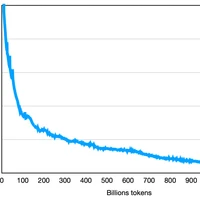
amazon Amazon
·
Nov 11, 2025 2

Efficient and Responsible Adaptation of Large Language Models for Robust and Equitable Top-k Recommendations

Conventional recommendation systems (RSs) are typically optimized to enhance performance metrics uniformly across all training samples, inadvertently overlooking the needs of diverse user populations. The performance disparity among various populations can harm the model's robustness to sub-populations due to the varying user properties. While large language models (LLMs) show promise in enhancing RS performance, their practical applicability is hindered by high costs, inference latency, and degraded performance on long user queries. To address these challenges, we propose a hybrid task allocation framework designed to promote social good by equitably serving all user groups. By adopting a two-phase approach, we promote a strategic assignment of tasks for efficient and responsible adaptation of LLMs. Our strategy works by first identifying the weak and inactive users that receive a suboptimal ranking performance by RSs. Next, we use an in-context learning approach for such users, wherein each user interaction history is contextualized as a distinct ranking task. We evaluate our hybrid framework by incorporating eight different recommendation algorithms and three different LLMs -- both open and close-sourced. Our results on three real-world datasets show a significant reduction in weak users and improved robustness to subpopulations without disproportionately escalating costs.

  • 4 authors
·
Jan 8, 2025

Active Evaluation of General Agents: Problem Definition and Comparison of Baseline Algorithms

As intelligent agents become more generally-capable, i.e. able to master a wide variety of tasks, the complexity and cost of properly evaluating them rises significantly. Tasks that assess specific capabilities of the agents can be correlated and stochastic, requiring many samples for accurate comparisons, leading to added costs. In this paper, we propose a formal definition and a conceptual framework for active evaluation of agents across multiple tasks, which assesses the performance of ranking algorithms as a function of number of evaluation data samples. Rather than curating, filtering, or compressing existing data sets as a preprocessing step, we propose an online framing: on every iteration, the ranking algorithm chooses the task and agents to sample scores from. Then, evaluation algorithms report a ranking of agents on each iteration and their performance is assessed with respect to the ground truth ranking over time. Several baselines are compared under different experimental contexts, with synthetic generated data and simulated online access to real evaluation data from Atari game-playing agents. We find that the classical Elo rating system -- while it suffers from well-known failure modes, in theory -- is a consistently reliable choice for efficient reduction of ranking error in practice. A recently-proposed method, Soft Condorcet Optimization, shows comparable performance to Elo on synthetic data and significantly outperforms Elo on real Atari agent evaluation. When task variation from the ground truth is high, selecting tasks based on proportional representation leads to higher rate of ranking error reduction.

  • 4 authors
·
Feb 9